
Recliner Sofa Buying Guide for Malaysian Homes
How to choose a recliner sofa or recliner chair for a Malaysian living room: electric vs manual, space and clearance, leather vs fabric, and comfort.
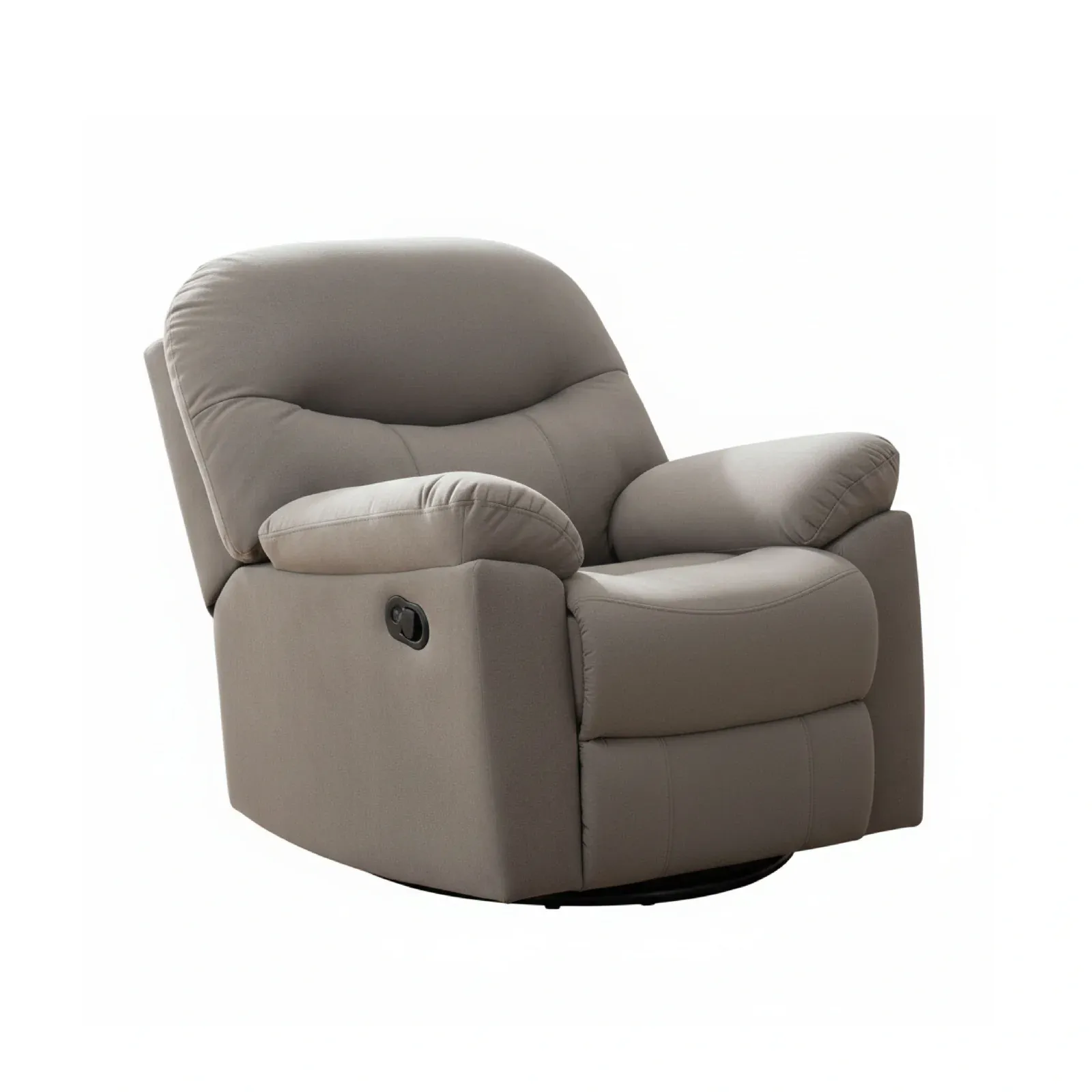
There is nothing quite like sinking into a recliner at the end of a long day — feet up, back supported, the TV on. It is the seat everyone in the house quietly competes for. But a recliner sofa is also a big, mechanical piece of furniture, and buying the wrong one means a chair that hogs the room, sticks to your skin in the heat, or wears out in a year. As a Malaysian factory that custom-builds recliners and reclining sofa sets for local living rooms, here is a practical guide to choosing the right one — covering electric versus manual, the space you actually need, the best upholstery for our climate, and how to judge comfort and build quality before you buy.
Why a recliner belongs in a Malaysian living room
A recliner does one thing an ordinary sofa cannot: it lets you lift your feet and tilt back to a properly supported position, so your spine, neck and legs relax instead of slumping. That matters most during the things we do most in a living hall — long movie nights, catching the football, feeding a baby at 3am, or simply resting a tired back after work. Raising your legs above hip level also takes pressure off the lower back and helps circulation, which is why recliners are a favourite with older family members and anyone who stands all day.
There is a social side too. A recliner is a personal seat in a way a shared sofa is not — your spot, set to your comfort. In a family home it is common to pair a full reclining sofa set for everyone with one single-seater recliner chair as the "good seat" beside it. Think about where it will live before you fall for a design: recliners face the TV, so they suit the main living hall rather than a tight corner where the footrest has nowhere to go.
Recliner chair vs recliner sofa: which format suits you
"Recliner" covers everything from a single armchair to a full lounge set, and the right format depends on your household size and room layout more than anything else. These are the common options.
- Single-seater recliner chair — one armchair that reclines on its own, like our grey Austin Comfort. The most flexible and affordable way in: it slots beside an existing sofa as a personal seat, and suits smaller homes or anyone who wants just one really comfortable chair.
- Reclining sofa set (1+2+3) — a matching armchair, loveseat and three-seater where several seats recline. The classic choice for a family living hall, giving everyone a reclining position without buying separate chairs. Compare it with a standard sofa set if only one or two people ever recline.
- Corner / L-shape reclining sofa — a sectional with recliners built into a corner or L layout, ideal for a larger open-plan hall where you want maximum seating along two walls. Browse our L-shape sofas to see how the corner format works.
- Home-theatre seating — a row of individual reclining seats, often with cup holders and a console between them, for a dedicated media or entertainment room.
- Multi-function alternatives — if you need a seat that doubles as an occasional bed for guests, a sofa bed may serve you better than a recliner; the two solve different problems.
Electric vs manual recliner: how they differ
The biggest decision after format is the mechanism. A manual recliner is moved by your own body — you pull a side lever or push back against the seat, and a footrest swings out. An electric (power) recliner uses a motor: you press a button and the seat and backrest glide to any position you like, stopping exactly where you release it. Neither is simply "better" — they suit different people.
When a manual recliner makes sense
A manual recliner has fewer parts, needs no power point, and costs less for the same frame and cushions. With no motor or wiring to fail, the mechanism is simple and long-lived, and repairs are usually a straightforward mechanical fix. It is the sensible pick if you want value and durability, do not mind a little effort to recline, and would rather not run a cable to the seat. The trade-off is that pushing back takes some body weight and a lever — which can be awkward for the elderly or anyone with limited strength.
When an electric recliner is worth it
An electric recliner reclines at the touch of a button with no effort, and stops at any angle rather than a few fixed notches — so you can dial in the exact position for reading, dozing or watching TV. Many power models add an adjustable headrest, extra lumbar movement and a USB charging port. The convenience and precise support are why they suit the elderly, anyone with back or mobility issues, and daily heavy users. In return they cost more, need a nearby power socket, and have a motor that — while durable — is a component a manual seat simply does not have. If your area sees frequent power cuts, remember a powered seat stays wherever it stopped until the electricity returns.
Space and clearance: measure before you buy
This is the step most people skip — and the most common regret. A recliner needs room to open, not just to stand. Measure your space with the seat fully reclined, not upright, and check the path it takes to get into the house in the first place.
- Clearance in front (for the footrest). When reclined, the footrest swings well forward — plan for roughly 40–60 cm of clear floor ahead of the seat so it does not jam into a coffee table.
- Clearance behind (for the backrest). A standard recliner tilts backward as it opens and needs space between it and the wall. A wall-hugger design instead glides the seat forward as it reclines, so it can sit just centimetres from the wall — the smart choice for a condo or a tight living hall.
- Reclined length overall. Add the seat depth and the extended footrest together; a recliner takes up far more floor when open than its upright footprint suggests.
- Doorways and lifts. Measure doors, corridors, staircases and the lift before delivery day — a bulky reclining three-seater that will not fit through the door is a real and avoidable problem.
- Power point placement. For an electric recliner, note where the nearest socket is so the cable does not cross a walkway.
Upholstery for Malaysia's heat and humidity
You will be in direct skin contact with a recliner for hours, so the cover matters more here than on most furniture — and our year-round heat and humidity are hard on the wrong material. The three common choices behave very differently.
- Genuine leather — hard-wearing, ages beautifully and wipes clean, which makes it great with kids and pets. It can feel warm to sit on in our climate, and needs light care: keep it out of harsh direct sun and away from the constant blast of an aircon vent, both of which dry and crack it over time, and wipe up spills promptly. Good-quality treated leather resists humidity well; give it an occasional conditioning.
- Fabric — the most breathable choice, so it feels coolest against the skin in the heat and comes in the widest range of colours. The trade-off is that it stains more easily and can harbour mould in a damp, poorly ventilated room, so choose a tight, good-quality weave (a performance fabric if you can) and vacuum it regularly.
- Faux leather (PU/PVC) — the budget look-alike. It gives the leather look for far less, but this is where our climate bites hardest: in constant heat and humidity, cheap PU coatings tend to peel, crack and flake within a year or two. If you go this route, treat it as a shorter-term choice and prioritise a better grade.
- Whatever you choose — a recliner touches skin more than any other seat in the house, so sit in it in the showroom on a warm day and judge how it actually feels, not just how it looks.
A recliner is the one seat you are in direct skin contact with for hours. In our heat and humidity, how the upholstery feels — and how it ages — matters as much as how it looks on day one. — TD Furniture
Comfort and support: the details that count
Two recliners can look identical and feel completely different. Comfort is decided by the cushioning and the fit to your body, so the only real test is to sit in it — ideally for a few minutes, reclined, not a quick perch.
- Headrest and neck support. When reclined, your head should rest naturally without pushing forward. Adjustable or higher headrests suit taller users and TV watching.
- Lumbar and back support. The lower back should stay supported through the whole recline, not just when upright — a gap behind your lower spine means aches later.
- Seat depth and firmness. Your back should reach the backrest with feet comfortable, and the cushion should feel supportive rather than sinking. Too soft feels great for five minutes and tiring after an hour.
- Footrest length. Taller users should check the footrest actually supports the calves and heels — a short footrest that leaves your feet hanging defeats the point.
- Weight capacity and stability. Check the seat feels solid and stable through the full recline and that it comfortably suits the main user; a well-built frame should not creak, rock or feel tippy when open.
Build quality and maintenance
A recliner is used harder than an ordinary chair — every recline puts load through the frame and mechanism — so build quality is what separates a seat that lasts a decade from one that sags and squeaks in two years. A few checks in the showroom tell you a lot.
- Test the mechanism itself. Recline and return the seat several times. It should move smoothly and quietly, latch securely in position, and return without a fight — no grinding, catching or jerking.
- Feel the frame. A sturdy hardwood or steel-reinforced frame is what carries the repeated load of reclining. Press the arms and back; there should be no flex or creak.
- Keep it clean and dust-free. Wipe leather or faux leather regularly and vacuum fabric, paying attention to the crevices where the seat folds. Keep the moving parts free of grit, and mop up spills before they soak in.
- Mind the climate. Position the recliner away from harsh direct sunlight and the direct draught of an aircon so the upholstery does not dry out or fade prematurely.
- Consider a custom build. As a factory-direct maker, we can build a recliner or reclining sofa set to your size, upholstery and layout — useful when a stock set does not fit your hall or your comfort. Explore the wider living room range to coordinate it with the rest of the room.
Quick recliner buying checklist
- Decide the format — single recliner chair, 1+2+3 reclining sofa, or corner/L-shape — to match your household and room.
- Choose electric or manual: power for effortless, precise support and daily heavy use; manual for value, simplicity and no cables.
- Measure with the seat reclined — clearance in front for the footrest, and behind unless it is a wall-hugger.
- Check doorways, lifts and corridors before delivery day.
- Pick upholstery for our climate — breathable fabric, hard-wearing leather, or a better grade if you choose faux leather.
- Sit in it reclined and check headrest, lumbar, seat depth and footrest length for the main user.
- Test the mechanism for smooth, quiet, secure movement and a solid, no-creak frame.
- For an electric model, plan the nearest power socket so the cable stays clear of walkways.
Frequently asked questions
Electric or manual recliner — which is better?
Neither is universally better; it depends on the user. Choose an electric recliner for effortless, button-operated reclining that stops at any angle, plus extras like an adjustable headrest and USB port — ideal for the elderly, anyone with back or mobility issues, and daily heavy use. Choose a manual recliner for lower cost, a simpler and very durable mechanism, and no need for a power point. If power cuts are frequent where you live, factor that in.
How much space does a recliner need behind it?
A standard recliner tilts backward as it opens and typically needs a gap from the wall so the backrest can clear it. If your living hall is tight, choose a wall-hugger design, which slides the seat forward as it reclines and can sit just a few centimetres from the wall. Either way, also leave roughly 40–60 cm of clear floor in front for the footrest, and always measure with the seat fully reclined rather than upright.
Is leather or fabric better for a recliner in Malaysia?
Both work if you buy well. Fabric is the most breathable, so it feels coolest against the skin in our heat, but choose a good-quality weave and vacuum it to avoid mould in humid rooms. Leather is hard-wearing, wipes clean and is great with kids and pets, but keep it out of harsh direct sun and away from the direct aircon draught, and condition it occasionally. Be cautious with cheap faux leather (PU/PVC), which tends to peel and crack in our climate within a year or two.
