
Display Cabinet Ideas & Buying Guide for Malaysian Homes
A practical display cabinet guide for Malaysian homes: glass showcase styles, where to place one, lighting, styling and humidity-ready materials.
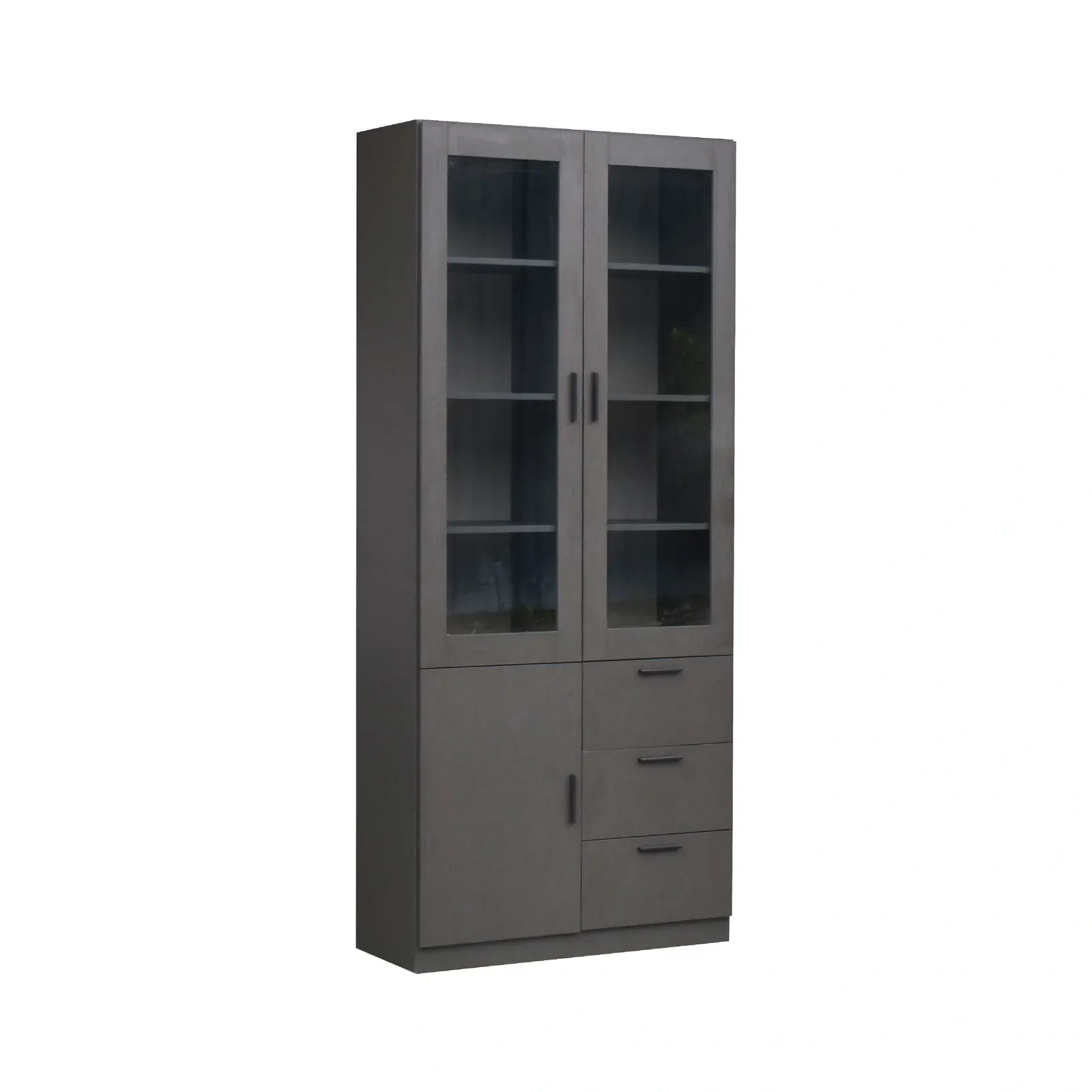
The things we love most — a wedding crockery set, a shelf of trophies, a treasured tea set, collectibles brought back from travels — deserve better than a dusty cupboard or a crowded shelf. A display cabinet (also called a glass cabinet, showcase or curio cabinet) gives them a home: it keeps everything dust-free behind glass, adds real storage, and turns a plain wall into a focal point without the clutter. As a Malaysian factory that custom-builds display cabinets for our climate, here is a practical ideas-and-buying guide to choosing and styling one for your living room, dining room or hallway.
Why a display cabinet earns its place
A display cabinet does two jobs at once that few other pieces manage together. It protects and shows off what you own — glassware, crockery, trophies, collectibles and heirlooms sit behind glass where they stay clean and visible, instead of hidden in a box or gathering dust on an open shelf. At the same time it adds proper storage and a focal point, giving a room somewhere for the eye to land.
The best display cabinets earn their place by curating rather than storing everything. Where a solid cabinet hides its contents, a glass showcase invites people to look — so it works hardest in the rooms you actually entertain in. Done well, it reads as a considered feature, not just another cupboard against the wall.
Display cabinet types and styles
"Display cabinet" covers a wide family of pieces, from a floor-to-ceiling glass showcase to a low sideboard with a glass-fronted top. The right one depends on your ceiling height, how much you want to store versus show, and the look you are after.
- Tall / full-height glass showcase — a floor-to-ceiling cabinet with glass doors front and often glass sides. It makes the biggest statement and holds the most, ideal for a serious collection or a formal living or dining room.
- Low / sideboard-style display — a long, low unit with closed storage below and a glass display section on top or behind glass doors. It doubles as a sideboard in the dining room, showing off crockery while hiding the everyday clutter beneath.
- Wall-mounted or floating display — a glass cabinet or shelf fixed to the wall with nothing touching the floor. It keeps sightlines open in a compact space and makes mopping underneath easy — a contemporary twist on the classic curio.
- Lit corner curio unit — a slim, often triangular cabinet with built-in lighting that turns a dead corner into a highlight. A mirrored back panel adds depth and brightens a typically dark spot.
- Display-plus-closed-storage combo — glass display above, solid drawers or doors below (our Vida cabinet is exactly this). You show the pieces worth showing and tuck everything else out of sight in one tidy unit.
Where to use a display cabinet in a Malaysian home
The same cabinet behaves differently depending on where it stands. These are the placements that work best in local homes.
- Living room feature piece — against a side wall, a lit glass cabinet becomes a quiet centrepiece for collectibles, awards and decor. Coordinate its finish with the rest of your living room furniture so it reads as part of the scheme rather than an afterthought.
- Dining room for crockery and tea sets — the traditional home of the display cabinet. Show your good dinnerware, glassware and heirloom tea sets behind glass, with everyday plates in the closed storage below.
- Hallway or entry — a slim showcase greets guests and displays a curated few pieces without eating into a narrow walkway. Keep it shallow so it never blocks the path or a door swing.
- See-through room divider — in an open-plan condo, a glass display cabinet placed between the living and dining zones splits the space while light and sightlines pass straight through. See our room divider range for cabinets built to be viewed from both sides.
- Beside the TV feature wall — a display cabinet alongside the media unit extends the storage and display without overcrowding the screen. Match it to your TV cabinet finish to tie the whole wall together.
Glass, open or closed: which display suits you
How you enclose the display changes both the look and the upkeep. Most good cabinets mix all three, but it helps to know the trade-offs before you choose.
- Glass doors — the classic choice. Everything stays dust-free and fully visible, and the glass adds a light, premium sparkle. The catch is that fingerprints and smears show, so the glass needs an occasional wipe. Best for anything delicate or precious you want protected but seen.
- Open shelves — airy, casual and easy to reach into, with no doors to open. The downside is real in our climate: open shelves collect dust fast, so they suit sturdy, frequently handled pieces rather than a fragile collection.
- Closed storage — solid doors or drawers hide clutter completely, which is exactly what you want for the unglamorous overflow. The trade-off is you show nothing, so it works best as the base of a combo unit.
- Mix them — the most practical cabinet pairs a glass display section for the pieces worth showing with closed storage below for everything else. You get the showcase and the tidy-up in one.
Lighting your display cabinet
Lighting is what separates a cabinet that merely holds things from one that genuinely displays them. Built-in LED strips or spotlights lift glassware and collectibles out of the shadows and give the whole cabinet a glow in the evening — and because LEDs run cool and sip power, they are safe to leave on for hours.
- Warm vs cool light — warm white (around 3000K) flatters wood, ceramics and a cosy living room; cool white makes crystal and glassware sparkle and reads more like a shop showcase. Pick the one that suits what you display.
- Light the hero pieces — position your most striking items directly under a spotlight or strip so the eye is drawn to them first.
- Avoid glare — tuck LED strips behind a front rail or along the top edge so you see the lit objects, not the raw diodes reflecting off the glass.
- Use a mirrored back — a mirror behind the shelves bounces the light around, doubles the sense of depth and makes a small display feel richer.
Styling: what to display and how
The most common mistake is cramming every piece onto every shelf. A great display is curated, not crammed — a few well-chosen objects with room to breathe always read as more considered than a shelf packed edge to edge. Treat the cabinet like a small gallery.
- Group by theme, colour or height — cluster pieces that belong together rather than scattering them. Grouping by colour or material gives an instant sense of order.
- Vary the height — stand a tall vase next to a small figurine, or raise a piece on a stand or a stack of books, so the eye moves up and down rather than along a flat line.
- Leave negative space — empty room around an object is what makes it look special. Resist the urge to fill every gap.
- Rotate seasonal pieces — swap a few items for festive or seasonal decor and the cabinet feels fresh without any effort.
- Keep sightlines clean — if the cabinet doubles as a divider, style both sides and avoid a solid wall of clutter that blocks the view through.
A display cabinet is judged by what you leave out as much as what you put in. Curate a few pieces you love, give them light and space, and the cabinet does the rest. — TD Furniture
Materials, glass safety and our climate
A display cabinet carries weight, glass and often heirlooms, so how it is built matters more than the finish you fall for. Malaysia's year-round humidity punishes cheap furniture — bare board swells at the edges and finishes peel — so the carcass, the glass and the shelves all deserve a second look.
- Tempered / safety glass — doors and shelves should use tempered glass, which is far stronger than ordinary glass and, if it ever breaks, crumbles into blunt pieces instead of dangerous shards. Non-negotiable in a home with children.
- Shelves rated for the weight — glass or board shelves must be thick enough, and supported often enough, to carry a full load of crockery without bowing over time. Adjustable shelves let you tune the heights to your collection.
- Moisture-resistant board with sealed edges — the carcass should be quality moisture-resistant plywood or board with properly sealed edges, not raw particleboard that drinks in humidity and swells.
- Easy-clean finishes — a laminate or PVC surface wipes down in seconds and shrugs off the dust and smears a display naturally attracts.
- Anti-tip stability — a tall showcase should sit on a stable base and, in a home with young children, be secured to the wall so it cannot be pulled over.
Placement matters too. Keep a display cabinet away from damp corners and out of harsh direct sun, which fades finishes and can heat the interior — the same care you would give any good living room piece in our climate.
A quick display cabinet buying and styling checklist
- Decide the job first — living room feature, dining crockery showcase, hallway greeter or see-through divider.
- Choose the type — tall showcase, low sideboard-style, wall-mounted, corner curio, or display-plus-storage combo.
- Measure the space, keeping a hallway cabinet shallow so it clears the walkway and any door swing.
- Pick your enclosure mix — glass to show and protect, closed storage below to hide the overflow.
- Plan the lighting — warm or cool LED, hero pieces lit, strips hidden to avoid glare, mirror back for depth.
- Insist on tempered glass and shelves rated for the weight, especially with children at home.
- Choose moisture-resistant, sealed-edge, easy-clean materials for our humidity.
- Style it curated, not crammed — group by theme, vary the height, and leave space to breathe.
Frequently asked questions
What is the difference between a display cabinet and a showcase?
They are the same idea — a cabinet with glass doors or a glass front made to show off its contents while keeping them dust-free. "Showcase" and "curio cabinet" tend to describe the taller, fully glazed versions, while "display cabinet" also covers lower sideboard-style units with a glass display section over closed storage. Pick the format that matches your room and your collection.
Is a glass display cabinet safe with children at home?
Yes, if it is built for it. Insist on tempered (safety) glass for the doors and shelves, which is far stronger than ordinary glass and crumbles into blunt pieces rather than sharp shards if it ever breaks. A tall cabinet should also be secured to the wall so it cannot be pulled over, and softer-closing doors help keep small fingers safe.
Can a display cabinet work as a room divider?
It is one of the best uses in an open-plan condo. A glass display cabinet placed between the living and dining zones defines each space while light and sightlines pass straight through, so the room still feels open. Style both faces since it is seen from both sides, and browse our room divider range for cabinets designed to be viewed from front and back.
