
How to Choose Dining Chairs: A Malaysian Buying Guide
How to choose dining chairs in Malaysia: comfort and ergonomics, wooden vs upholstered, matching your table, how many to buy and build quality.
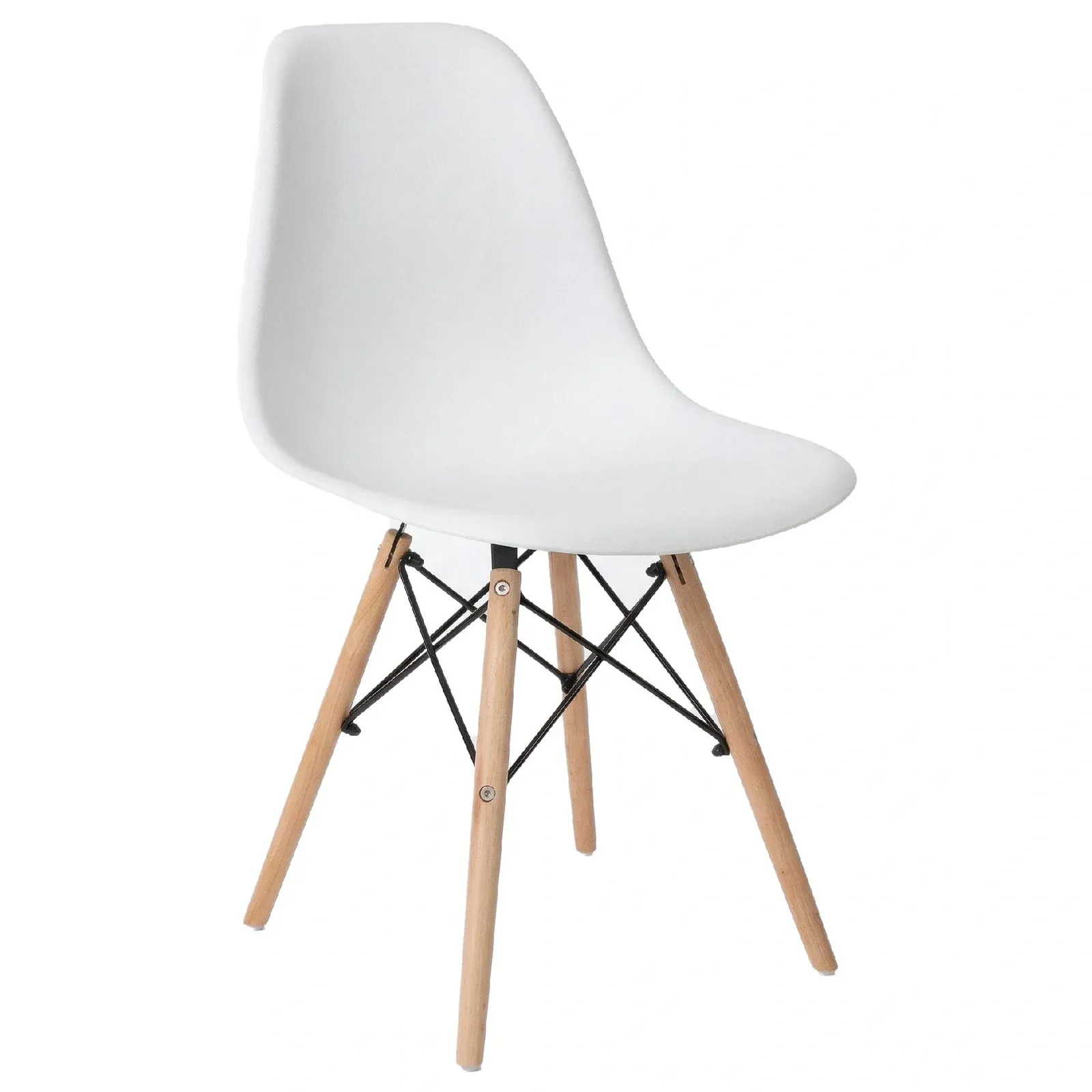
The table gets all the attention, but you never actually sit on a table — you sit on the chairs, every single day and through every long family meal. The dining chair is where comfort is won or lost, and a good set does more than that: it sets the whole mood of the dining room, often shaping the look more than the table itself. Get it wrong and guests shift and fidget through dinner; get it right and nobody wants to leave the table. As a Malaysian factory that custom-builds dining chairs for our climate, here is a practical guide to choosing a set you will still love years from now.
Why the right dining chairs matter more than you think
In a Malaysian home the dining table is rarely just for dinner. It is where the kids do homework, where you work from home, where the family lingers over a two-hour Sunday lunch and where guests gather during festive open houses. That means the chairs are in constant use, and an uncomfortable one shows up fast — a hard seat or a bolt-upright back turns a relaxed meal into a countdown to standing up.
Chairs also do the visual heavy lifting. There are usually four to six of them around one table, so their shape, colour and material fill more of your eye-line than the tabletop does. Swap plain chairs for a set with real design and the whole room lifts. That is why it pays to treat the chairs as a decision in their own right, not an afterthought bundled in with the table.
Comfort and ergonomics: the details that decide long meals
Comfort is not luck — it comes down to a few measurements and a bit of shaping. These are the things to check before you commit, ideally by sitting in the chair at a table the same height as yours.
- Seat height vs the table — the single most important fit. You want a comfortable gap between the seat and the underside of the tabletop so your legs slide under and your arms rest naturally on top. Most dining tables sit around 75 cm tall, so a seat around 45–47 cm high leaves the right clearance. Too high and you are hunched; too low and you are reaching up to eat.
- Seat depth and width — the seat should support most of your thigh without the front edge cutting behind your knees, and be wide enough to sit without your elbows clashing with the next chair. Roughly 45 cm each way suits most adults.
- Back support and backrest angle — a backrest with a slight recline and a gentle curve for the lower back is what lets you sit through a long meal without stiffening up. A dead-straight, upright back looks neat but tires you quickly.
- Armrests vs armless — armchairs (carvers) are the most relaxing to sink into, but check they still tuck under the table so you are not left with chairs jutting into the walkway. Armless chairs seat more people in the same space and slide away neatly — a common compromise is armchairs at the two ends and armless along the sides.
- Cushioned vs hard seats — for the long, lingering meals Malaysian families love, a padded or upholstered seat is far kinder than a bare timber or plastic one. A hard seat is easier to wipe but rarely invites you to sit for a second helping.
Materials and upholstery for our climate
Malaysia's heat and humidity, plus the spills that come with real family meals, should steer your choice of frame and seat. A beautiful chair that traps heat, peels at the joints or stains at the first splash of curry is a false economy.
Frames: wood, metal, moulded shell and rattan
- Wooden dining chair — solid or engineered wood is the timeless choice: warm, sturdy and easy to match with a wood or stone table. Look for a properly sealed finish so humidity cannot creep into the joints, and firm joinery that will not loosen when the chair is dragged daily.
- Metal frames — slim powder-coated steel legs give a modern, industrial or Scandinavian edge and are very hard-wearing. Make sure the coating is thick and rust-resistant, as bare or chipped metal can corrode in humid, coastal Penang air.
- Moulded plastic or poly shell — light, wipe-clean and easy to move, shell chairs (often on wooden legs, like our Scandi styles) are ideal for families with young children. Pick a quality shell that will not go brittle or discolour under strong light.
- Rattan and woven — natural or synthetic rattan adds a breathable, resort-style texture that suits our climate beautifully. Synthetic (PE) rattan is the more practical choice indoors as it resists moisture and is easy to wipe.
Seat covers: fabric, faux leather or easy-wipe
- Fabric upholstery — the most comfortable and breathable in our heat, and it comes in the widest range of colours. Choose a tight, hard-wearing weave, and ideally a removable or stain-treated cover so spills and little hands are not a disaster.
- Faux leather (PU/PVC) — wipes clean in seconds, which makes it the family favourite for a dining chair. Good-quality PU resists cracking; cheaper faux leather can peel and flake in a few years, so the grade really matters here.
- Easy-wipe hard seats — a bare wood, plastic or upholstery-free seat is the lowest-maintenance of all and the best for messy toddlers, at the cost of some comfort on long sits.
- Breathability matters — in our humidity, avoid seats that trap heat and leave you sticky after twenty minutes. Fabric and open-weave rattan breathe best; thick vinyl the least.
The chair you fall for in the showroom is the one you will sit in for the next ten years of dinners. Sit in it for a full minute, lean back, tuck it under the table — comfort you can feel beats a photo every time. — TD Furniture
Matching dining chairs to your table and room
Chairs and table have to look like they belong together, but they do not have to be identical. There is real freedom in how you pair them — the trick is keeping the proportions and the palette in balance.
- Matching set vs a mixed look — a coordinated set of identical chairs is the safe, elegant default. But a deliberate mix — two accent armchairs at the ends, a bench on one side, or one bold colour among neutrals — feels more designed and personal. Keep at least one thread in common (the leg wood, a shared tone) so it reads intentional, not accidental.
- Proportion to the table — a heavy, chunky table wants chairs with some visual weight; a slim, leggy table pairs with lighter, finer chairs. Match the mood, not just the measurements.
- Coordinate with the room — echo a colour or material already in the space — the flooring, a feature wall, your dining table finish — so the chairs tie the dining area to the rest of the home rather than floating on their own.
- Mind the walkway — even the best-looking chairs fail if you cannot pull them out and walk behind them. Leave roughly 90 cm of clearance from the table edge to the nearest wall so a seated diner can push back and stand.
How many dining chairs, and sizing the set
Buying too few chairs cramps everyday meals; buying too many crowds the room and blocks the walkway. Size the set around real life, not the maximum the table could theoretically seat.
- Everyday vs guests — count your household for the daily set-up, then decide how you will handle guests and festive gatherings. You do not need to permanently crowd the room to seat a crowd twice a year.
- Allow elbow room — give each seat roughly 60 cm of table width so people are not knocking elbows. A 1.5 m table comfortably seats four to six; a 1.8 m table, six; a 2 m or more, eight.
- Leave space to pull out — every seat needs room to slide the chair back and stand, so count the floor around the table, not just the length of it.
- Stackable or spare chairs — in a small home, a couple of stackable or folding spares stored away and brought out only for visitors keeps the everyday room open and uncluttered.
- A bench as a space-saver — a bench on one side seats two or three, tucks fully under the table when not in use, and is a favourite for families with children, though it trades away individual back support.
Durability and build quality: what to check in the showroom
A dining chair takes more daily abuse than almost any other piece of furniture — sat in hard, leaned back on, dragged across the floor and climbed on by kids. The difference between a chair that lasts a decade and one that wobbles within a year is in the build, and much of it you can test with your own hands before buying.
- Sturdy joints — the legs and back should meet the seat with solid, reinforced joinery, not just glue and a couple of staples. Corner blocks under the seat are a good sign of a chair built to survive daily dragging.
- No wobble — set the chair on a flat floor and rock it. Any wobble or creak now only gets worse, and it usually points to weak joints rather than an uneven floor.
- Weight capacity and stability — a good chair should feel planted when you sit and lean back, with no flex in the frame or tipping feeling. Give it a firm sit and a lean before you decide.
- Stain- and scratch-resistant finish — a sealed, wipeable finish on the frame and an easy-clean seat shrug off the spills, sauce and daily wear a dining table attracts.
- Floor-friendly feet — felt pads or moulded glides under the legs protect your tiles or timber floor from scratches and let chairs slide quietly instead of scraping.
Buying as a set or chairs on their own
You can buy chairs bundled with a table as a package, or buy the chairs separately to pair with a table you already own — and each route has its place.
- Buy a full dining set — a matching dining set takes the guesswork out of coordinating table and chairs, and the proportions are designed to work together from the start. A solid wooden dining set is a hard-wearing, timeless option for a family home.
- Buy chairs separately — if you already have a table you love, buying dining chairs on their own lets you refresh the look or upgrade comfort without replacing everything. Just take your table's height and style along so the new chairs fit and flatter it.
- Do not forget the counter — if your kitchen has an island or a high breakfast counter, that seating is a separate decision: taller bar chairs or counter stools sized to the counter height, not standard dining chairs.
Quick dining chair buying checklist
- Check the seat-to-table gap — a seat around 45–47 cm suits a standard 75 cm table.
- Sit for a full minute and test seat depth, width and back support.
- Decide armchairs, armless or a mix — and check armchairs still tuck under.
- Pick a frame and seat suited to our heat and to real, spill-prone meals.
- Size the set for elbow room (about 60 cm per seat) and space to pull out.
- Rock the chair for wobble and test the joints and stability by hand.
- Confirm a wipeable, sealed finish and floor-friendly feet.
- Decide: a full dining set, or chairs alone to match your existing table.
Frequently asked questions
What is the ideal dining chair seat height?
For a standard dining table around 75 cm tall, a seat height of about 45–47 cm gives the comfortable gap you want — roughly 28–30 cm between the seat and the underside of the tabletop, so your legs slide under and your arms rest naturally on top. If your table is taller or shorter than standard, adjust the chairs to match rather than the other way around.
Are wooden or upholstered dining chairs better?
It is a trade-off. A wooden dining chair is durable, timeless and the easiest to wipe, but a bare seat is less comfortable for long meals. An upholstered dining chair is far more comfortable and breathable in our heat, but needs a stain-resistant or removable cover to survive family life. Many people get the best of both with a wooden frame and a padded, easy-clean seat.
How many chairs fit around my dining table?
Allow about 60 cm of table width per person for comfortable elbow room. That means a 1.5 m table seats four to six, a 1.8 m table seats six, and a 2 m or longer table seats eight. Just as important, leave roughly 90 cm of clearance around the table so every seat has room to pull the chair out and stand.
