
Console Table Ideas & Styling Guide for Malaysian Homes
Where to use a console table in a Malaysian home and how to style it: entryway, behind the sofa, hallway and divider ideas, sizing, storage and materials.
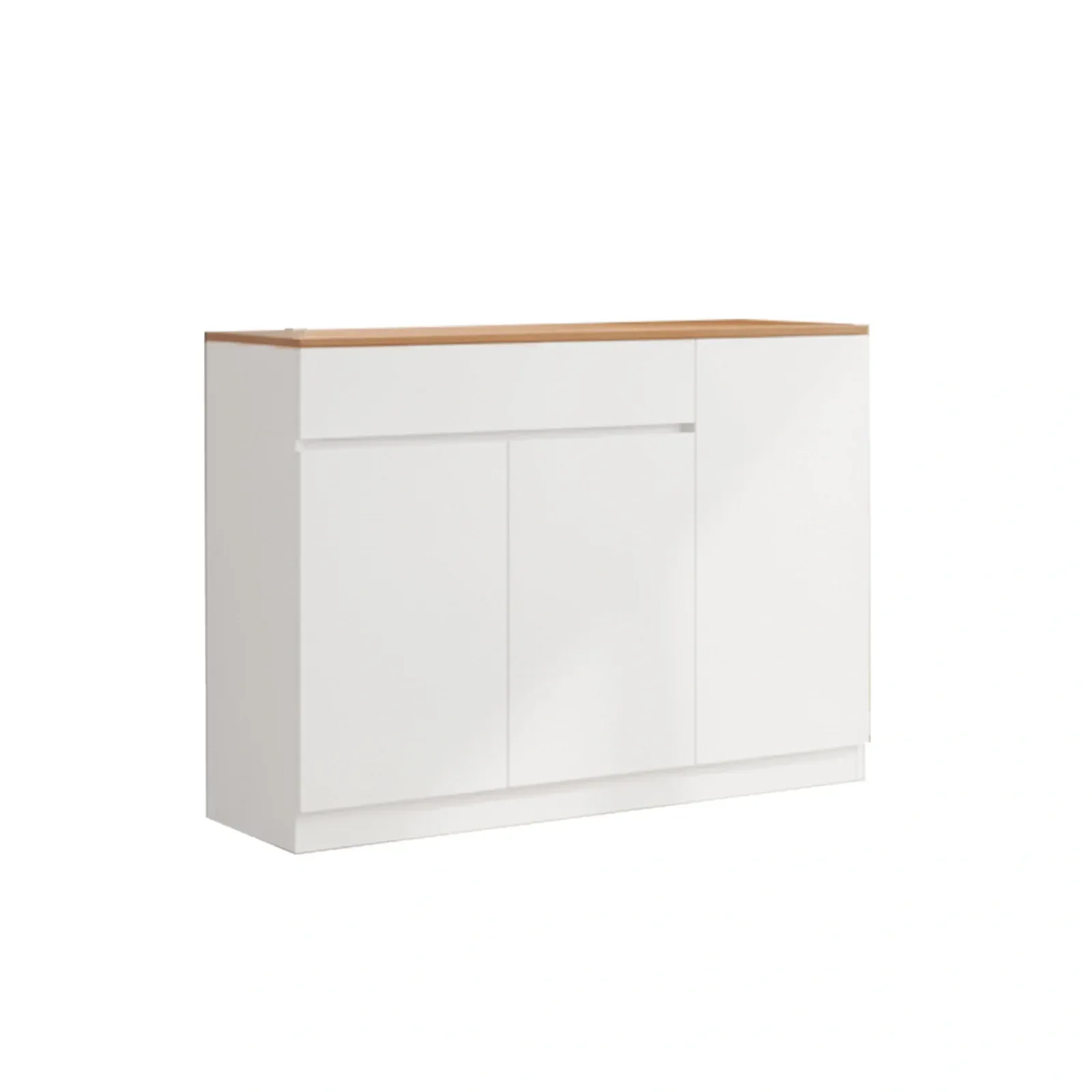
A console table is the quiet overachiever of home furniture: a slim, shallow table that slots into the spots a normal table would never fit — behind a sofa, along a hallway, or against the wall of a tight condo entrance. It takes up almost no floor space, yet it sets the tone of a room and gives you a surface exactly where you need one. Also called a hallway table or entryway table, and a close cousin of the sideboard, it is one of the most useful pieces you can add to a Malaysian home. As a factory that custom-builds console tables and sideboards for local homes, here is a practical ideas and styling guide to help you place and decorate one well.
What a console table is and why it is so useful
A console table is a long, narrow table — typically much shallower than a dining or coffee table — designed to sit against a wall or behind a sofa rather than out in the open. That slim footprint is the whole point: it delivers a full-width display and drop surface while stealing only 25–40 cm of depth, which is precisely why it works so well in Malaysian condos and terrace houses where floor space is precious.
Because it does not demand much room, a console earns its place through versatility. It can be a welcome station at the front door, a display shelf in the living hall, a serving surface in the dining area, or a slim desk in a work-from-home corner. Get one right and it does a job no bulky piece could — big impact, small footprint.
Where to use a console table in a Malaysian home
The same slim table suits half a dozen spots around the house. These are the placements we see work best in local homes.
- Entryway or foyer — the classic use. A console at the front door becomes a drop-zone for keys, wallets and mail, and, styled with a mirror and a lamp, it sets the first impression the moment anyone walks in. In a home where shoes come off at the door, pair it with a shoe cabinet for enclosed storage below.
- Hallway — a narrow console dresses up an otherwise dead corridor without narrowing it. Top it with a mirror to bounce light down the hallway and make it feel wider.
- Behind the sofa — in open-plan living, a console tucked against the back of a floating sofa creates a subtle boundary and a surface for lamps, drinks or a phone charger. See our living room range for pieces that pair with a sofa.
- Against a living-room wall — as a display surface for photos, art and plants, a console fills a bare wall without the bulk of a full cabinet.
- Under a wall-mounted TV — a low console gives the screen a visual base and holds a soundbar or console box. If you need real cabling and closed storage, a purpose-built TV cabinet is the better call; a console suits a minimalist wall.
- Dining area — as a serving and display surface for dishes when entertaining, and a home for crockery, table linen or a coffee station the rest of the time.
- Work-from-home nook — a shallow console doubles as a slim desk for a laptop against a bedroom or living-room wall, folding a workspace into a small home without a dedicated study.
Using a console table as a room divider
In an open-plan condo where the front door opens straight into the living hall, a console table is one of the neatest ways to define an entry zone without building a wall. Placed across the threshold, a low console marks off a small foyer while keeping the sightline — and the airflow and light — open above it, which matters in a compact space.
The trick is height: keep the console low enough that you can see over it, so the divider suggests a boundary rather than blocking the room. It gives you a drop surface facing the door and a clean edge to the living area behind. For more ways to zone an open space, browse our room divider range.
Sizing and placement: getting the proportions right
A console lives or dies on proportion. Too tall behind a sofa, too deep in a hallway, or too short against a long wall, and it looks like an afterthought. A few simple rules keep it looking intentional.
- Keep it shallow in narrow spots — in a hallway or tight entrance, a depth of around 25–30 cm holds a lamp and a tray without jutting into the walkway. Reserve deeper 35–45 cm consoles for spots with room to spare.
- Height behind a sofa — the console top should sit level with, or just below, the back of the sofa — never taller. A standard console height of roughly 75–80 cm suits most sofas, but check your sofa back first.
- Length behind a sofa — aim for about two-thirds the length of the sofa; anywhere from half to three-quarters looks balanced. It should feel related to the sofa, not stretch past it.
- Length against a wall — a console looks best filling a good share of the wall it sits on. A tiny table on a broad wall looks lost; scale it up, or flank it with art or tall plants to fill the space.
- Leave walking clearance — allow roughly 75–90 cm of walkway between a sofa-back console and any wall or furniture behind it, and keep an entryway console clear of the door swing.
How to style a console table
This is where a console earns its keep. Good console table styling is all about layering — building height and interest on a shallow surface so it reads as a considered vignette, not a random shelf. The reliable formula is one tall anchor, one light source, one bit of greenery and one functional catch-all.
- Anchor the wall above — hang a mirror or a piece of art, or lean a large frame against the wall, to give the console a backdrop and stop it floating. A mirror is the smart pick in an entryway or hallway because it bounces light and adds depth.
- Add a light source — a table lamp brings warmth and a soft evening glow that a ceiling light never manages. A single lamp reads relaxed and asymmetric; a matching pair reads formal and symmetrical.
- Bring in greenery — a plant, a small vase of foliage or a trailing pot softens the hard lines and adds life. It is the easiest element to swap for a seasonal refresh.
- Layer books and objects — a short stack of books adds height and a place to rest a smaller object on top; a sculptural piece or a candle fills the gaps.
- Keep a functional drop-zone — in an entryway, leave a tray or a bowl for keys and daily bits, so the console stays useful and does not become a display-only shelf.
- Do not overcrowd — leave breathing space. Group items in odd numbers, vary the heights, and stop before the surface feels cluttered. A little empty space reads as premium.
Symmetry or asymmetry?
Symmetry — a matching lamp at each end, art centred above — feels formal, calm and classic, and suits an entryway you want to look polished. Asymmetry — a single lamp to one side, balanced by a taller plant or leaning frame on the other — feels relaxed and modern. Pick one approach and commit; a half-symmetrical arrangement is what makes a console look accidental.
Storage: open, closed or a sideboard
Consoles range from pure display tables to serious storage pieces, and the right amount of storage depends on where it sits and what you need to hide.
- Open console — legs and maybe a lower shelf, nothing enclosed. It is the lightest, airiest look and the best choice behind a sofa or where you want the room to feel open. Storage is limited to what sits on display.
- Console with drawers or shelves — one or two drawers hide keys, chargers, batteries and clutter while keeping the slim profile. This is the practical sweet spot for an entryway drop-zone.
- Sideboard — when you need real closed storage, a sideboard is the taller, deeper sibling of the console, with cabinet doors for crockery, documents or overflow. In a dining area or living hall that doubles as storage, a sideboard earns its extra bulk.
- Hidden entry storage — a console with an enclosed base can conceal a few pairs of shoes or a basket of odds and ends by the door, though for a full household of shoes a dedicated shoe cabinet is more practical.
Materials and finishes for our climate
Malaysia's year-round heat and humidity punish poorly made furniture — cheap board swells at the edges and finishes peel. A console sits on show, often by a door where humidity is highest, so the carcass and edge sealing matter as much as the look.
- Moisture-resistant board with sealed edges — the body should be built from quality, moisture-resistant board or plywood with properly sealed edge banding, not bare particleboard that drinks in humidity and swells at the corners.
- Solid or engineered wood — a solid-wood or engineered-wood console brings warmth and durability; look for a stable, well-finished piece rather than raw timber that can move in our humidity.
- Easy-clean tops — a laminate, PVC or sintered-stone top wipes clean in seconds and shrugs off the rings, dust and spills a working surface collects. A high-gloss finish, like our Vorin console, keeps an entryway feeling bright.
- Avoid finishes that warp or peel — steer clear of thin veneers and low-grade laminates that lift at the edges in a damp entrance. A tough surface over a moisture-resistant core lasts far longer here.
A console table is often the first piece of furniture anyone sees when they walk in. In our climate it also sits where humidity is highest — so the edge sealing matters as much as the finish you fall in love with. — TD Furniture
Console table styling and buying checklist
- Decide the job first — entryway drop-zone, behind-sofa surface, hallway display, TV base or slim desk.
- Measure the wall or sofa, and keep the depth shallow (around 25–30 cm) in narrow spots.
- Match the height to the sofa back if it sits behind a sofa, and leave walking clearance behind it.
- Choose the storage level — open table, drawers, or a full sideboard for closed storage.
- Anchor the styling with a mirror or art above, then layer a lamp, greenery and a functional tray.
- Pick symmetry for a formal look or asymmetry for a relaxed one — and commit to it.
- Choose moisture-ready, wipe-clean materials with sealed edges for our humid climate.
- Leave breathing space — style in odd numbers and stop before it feels crowded.
Frequently asked questions
How tall should a console table be behind a sofa?
The console top should sit level with, or just below, the back of the sofa — never taller. A standard console height of about 75–80 cm suits most sofas, but measure your sofa back before you buy. For length, aim for roughly two-thirds the length of the sofa so the two feel related.
What is the difference between a console table and a sideboard?
A console table is slim, shallow and often open or with a drawer or two — built for display and a light drop-zone. A sideboard is taller and deeper with enclosed cabinet storage, made to hold crockery, documents or clutter behind doors. Choose a console when floor space and a clean look matter most; choose a sideboard when you need real closed storage.
How deep should a hallway or entryway console table be?
In a narrow hallway or tight entrance, keep the depth to around 25–30 cm so the table holds a lamp and a tray without jutting into the walkway or fouling the door swing. A shallow console is what lets you dress up a corridor that a normal table would block entirely.
